Door Lock Repair Tips: Effective Tips for Lock Repair
- arpivarga0
- Jul 13
- 3 min read

When a door lock malfunctions, it can disrupt your day and compromise your home's security. Knowing how to handle common lock issues can save time and money. I share practical door lock repair tips that help you address problems quickly and efficiently. These tips focus on straightforward fixes and when to seek professional help.
Essential Door Lock Repair Tips
Locks can fail for various reasons, including wear and tear, dirt buildup, or mechanical faults. Here are some key tips to keep your locks working smoothly:
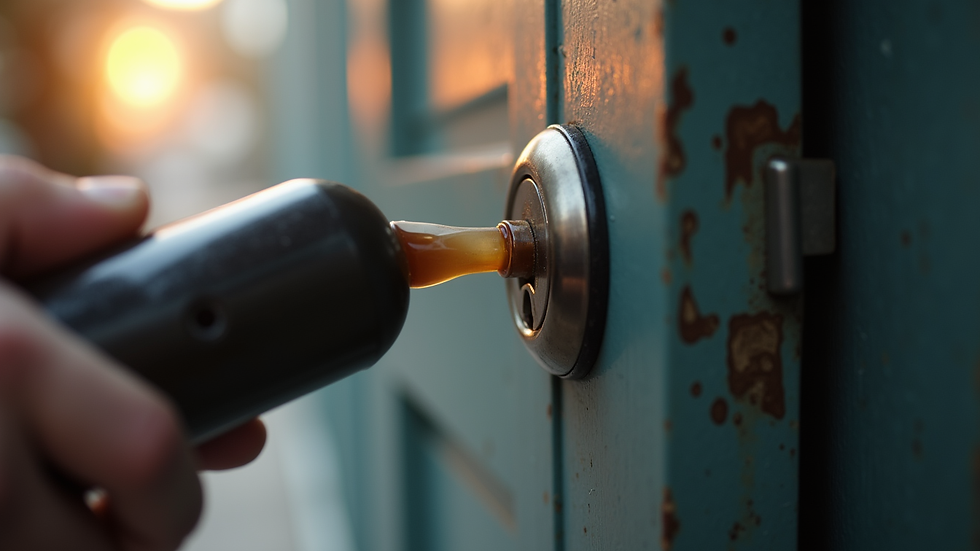
Lubricate the lock regularly: Use a graphite-based lubricant or a silicone spray. Avoid oil-based lubricants as they attract dust and grime.
Check the alignment: Misaligned doors cause locks to jam. Inspect the strike plate and hinges. Adjust or tighten screws if necessary.
Clean the lock mechanism: Dirt and debris can block the internal parts. Use compressed air to blow out dust from the keyhole.
Test the key: If the key sticks or won’t turn, try a spare key. Sometimes keys wear down and need replacement.
Avoid forcing the key: Forcing a key can break it inside the lock. If it resists, stop and inspect the lock.
These simple steps often resolve minor issues without needing a locksmith. However, some problems require professional attention.
How to Identify When to Call a Locksmith
Not all lock problems are DIY-friendly. Knowing when to call a professional locksmith is crucial for your safety and security. Consider these signs:
Broken key inside the lock: Removing a broken key requires special tools.
Lock cylinder is damaged or worn: This can cause the lock to fail repeatedly.
Lock jams frequently despite cleaning and lubrication: Internal parts may be broken.
Lost keys or suspected break-in: Changing locks or rekeying is best handled by experts.
Electronic or smart lock malfunctions: These require technical knowledge.
If you face any of these issues, contact a trusted locksmith service. They have the tools and experience to fix or replace locks safely.
How much does it cost to repair a lock?
The cost of repairing a lock varies depending on the type of lock and the extent of the damage. Basic repairs like lubrication or realignment may cost between £30 and £60. More complex repairs, such as fixing a broken cylinder or extracting a broken key, can range from £70 to £150.
If the lock needs replacement, prices depend on the lock model and security features. High-security locks cost more but offer better protection. Always ask for a clear estimate before work begins.
Keep in mind that emergency call-outs, especially outside regular hours, may incur additional fees. Planning repairs during normal hours can save money.
DIY Tips for Common Lock Problems
Some lock issues are easy to fix at home with basic tools. Here are practical tips for common problems:
Key won’t turn
Spray graphite lubricant into the keyhole.
Wiggle the key gently while turning.
Check if the door is fully closed and aligned.
Lock sticks or jams
Tighten loose screws on the lock and door frame.
Adjust the strike plate by loosening screws and moving it slightly.
Clean the key and lock with rubbing alcohol.
Loose lock or handle
Use a screwdriver to tighten all visible screws.
If screws are stripped, replace them with slightly larger ones.
Key breaks off inside the lock
Use needle-nose pliers to carefully pull out the broken piece if visible.
If not visible, avoid pushing it further and call a locksmith.
These tips can help you avoid unnecessary expenses and keep your locks functional.

Preventive Measures to Extend Lock Life
Prevention is better than repair. Taking care of your locks can reduce the need for repairs and improve security. Here are some preventive measures:
Regular maintenance: Clean and lubricate locks every six months.
Use the correct key: Avoid using worn or bent keys.
Avoid slamming doors: This can misalign locks and damage internal parts.
Install quality locks: Invest in durable locks designed for your door type.
Protect locks from weather: Use covers or weather-resistant locks for external doors.
By following these steps, you can extend the life of your locks and reduce the risk of lock failure.
When to Upgrade Your Locks
Sometimes repair is not enough. Upgrading your locks improves security and convenience. Consider upgrading if:
Your locks are old or outdated.
You have experienced a break-in or lost keys.
You want to add smart lock features.
Your locks frequently malfunction despite repairs.
Upgrading to modern locks can provide better protection and peace of mind. Consult a locksmith to choose the best option for your home.
If you need expert assistance with lock repair, contact Surrey Sure Lock. They offer fast, reliable service for all residential lock issues in Surrey and nearby areas. Their team ensures your home stays secure with professional solutions tailored to your needs. Keep their contact details handy for quick support when you need it most.


Comments