The Importance of Lock Repairs for Composite Doors

Updated: Jul 6
Understanding Composite Doors
Composite doors are made from a combination of materials, including wood, PVC, and glass-reinforced plastic (GRP). This blend of materials provides several advantages:
Durability: Composite doors are resistant to warping, cracking, and fading, making them a long-lasting option.
Energy Efficiency: They offer excellent insulation, helping to keep your home warm in winter and cool in summer.
Security: Many composite doors come with multi-point locking systems, providing enhanced security.
Despite these benefits, the locks on composite doors can wear out or become damaged over time. Understanding the common issues can help you address them before they become significant problems.
Common Lock Issues with Composite Doors
1. Misalignment
One of the most common issues with composite door locks is misalignment. This can occur due to:
Weather Changes: Temperature fluctuations can cause the door frame to expand or contract, leading to misalignment.
Wear and Tear: Over time, the hinges may wear out, causing the door to sag.
Signs of Misalignment:
Difficulty locking or unlocking the door.
Gaps between the door and the frame.
Visible wear on the locking mechanism.
2. Key Problems
Keys can become damaged or worn, leading to issues with locking and unlocking your door. Common key-related problems include:
Bending or Breaking: Keys can bend or break inside the lock, making it impossible to operate.
Worn Teeth: Over time, the teeth on the key can wear down, preventing it from engaging properly with the lock.
3. Lock Cylinder Issues
The lock cylinder is the part of the lock where the key is inserted. Problems with the cylinder can lead to:
Sticking or Jamming: Dirt or debris can accumulate inside the cylinder, causing it to stick.
Complete Failure: A damaged cylinder may prevent the lock from functioning altogether.
4. Rust and Corrosion
Locks exposed to the elements can suffer from rust and corrosion, particularly if they are not made from high-quality materials. This can lead to:
Difficulty Turning the Key: Rust can make it hard to turn the key in the lock.
Complete Lock Failure: In severe cases, corrosion can render the lock unusable.
The Importance of High-Quality Lock Repairs
When it comes to lock repairs, quality matters. Here are several reasons why you should prioritize high-quality repairs for your composite door locks:
Enhanced Security
A well-functioning lock is your first line of defense against intruders. High-quality repairs ensure that your locks operate smoothly and securely, providing peace of mind.
Longevity
Investing in quality repairs can extend the lifespan of your locks. This means fewer replacements and repairs in the long run, saving you time and money.
Professional Expertise
Professional locksmiths have the training and experience to diagnose and fix lock issues effectively. They can identify underlying problems that may not be immediately apparent, ensuring a comprehensive repair.
Warranty and Guarantees
Many reputable locksmiths offer warranties on their work. This means that if something goes wrong after the repair, you can have it fixed without additional costs.
Choosing the Right Locksmith for Composite Door Repairs
When selecting a locksmith for your composite door lock repairs, consider the following factors:
1. Experience and Qualifications
Look for a locksmith with experience specifically in composite door locks. They should have the necessary qualifications and training to handle these types of repairs.
2. Reviews and Recommendations
Check online reviews and ask for recommendations from friends or family. A locksmith with a strong reputation is more likely to provide quality service.
3. Transparency in Pricing
A good locksmith will provide a clear estimate before starting any work. Avoid those who give vague quotes or add hidden fees later.
4. Availability
Lock issues can arise at any time. Choose a locksmith who offers emergency services, ensuring you can get help when you need it most.
DIY vs. Professional Repairs
While some minor lock issues may be resolved with DIY methods, such as lubricating the lock or realigning the door, many problems require professional attention. Here’s a quick guide to help you decide:
When to DIY
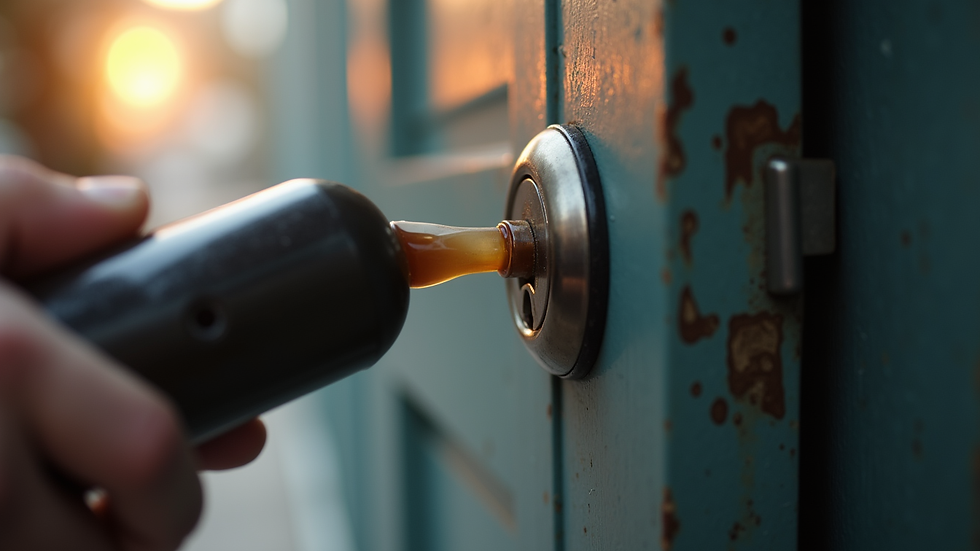
Lubrication: If the lock is sticking, a silicone-based lubricant can often solve the problem.
Realignment: If the door is slightly misaligned, you may be able to adjust the hinges yourself.
When to Call a Professional
Key Breakage: If your key breaks in the lock, a professional can extract it without damaging the lock.
Lock Replacement: If the lock is severely damaged or corroded, a professional should handle the replacement to ensure it’s done correctly.
Preventative Maintenance for Composite Door Locks
To avoid lock issues in the future, consider these preventative maintenance tips:
Regular Inspections
Schedule regular inspections of your composite door locks. A professional can identify potential issues before they become significant problems.
Keep Locks Clean
Regularly clean the lock and surrounding area to prevent dirt and debris buildup. Use a soft cloth and avoid harsh chemicals that could damage the lock.
Lubricate Locks
Lubricate your locks at least once a year using a silicone-based lubricant. This helps keep the mechanism functioning smoothly.
Check for Misalignment
Periodically check the alignment of your door. If you notice any issues, address them promptly to prevent further damage.
Conclusion
High-quality lock repairs for composite doors are essential for maintaining security and functionality. By understanding common lock issues, choosing the right locksmith, and implementing preventative maintenance, you can ensure your composite doors remain secure and reliable for years to come. Remember, investing in quality repairs not only enhances your home’s security but also saves you time and money in the long run. If you encounter any lock issues, don’t hesitate to seek professional help to keep your home safe.
For more information on securing your home, visit Surrey Sure Lock.


Comments